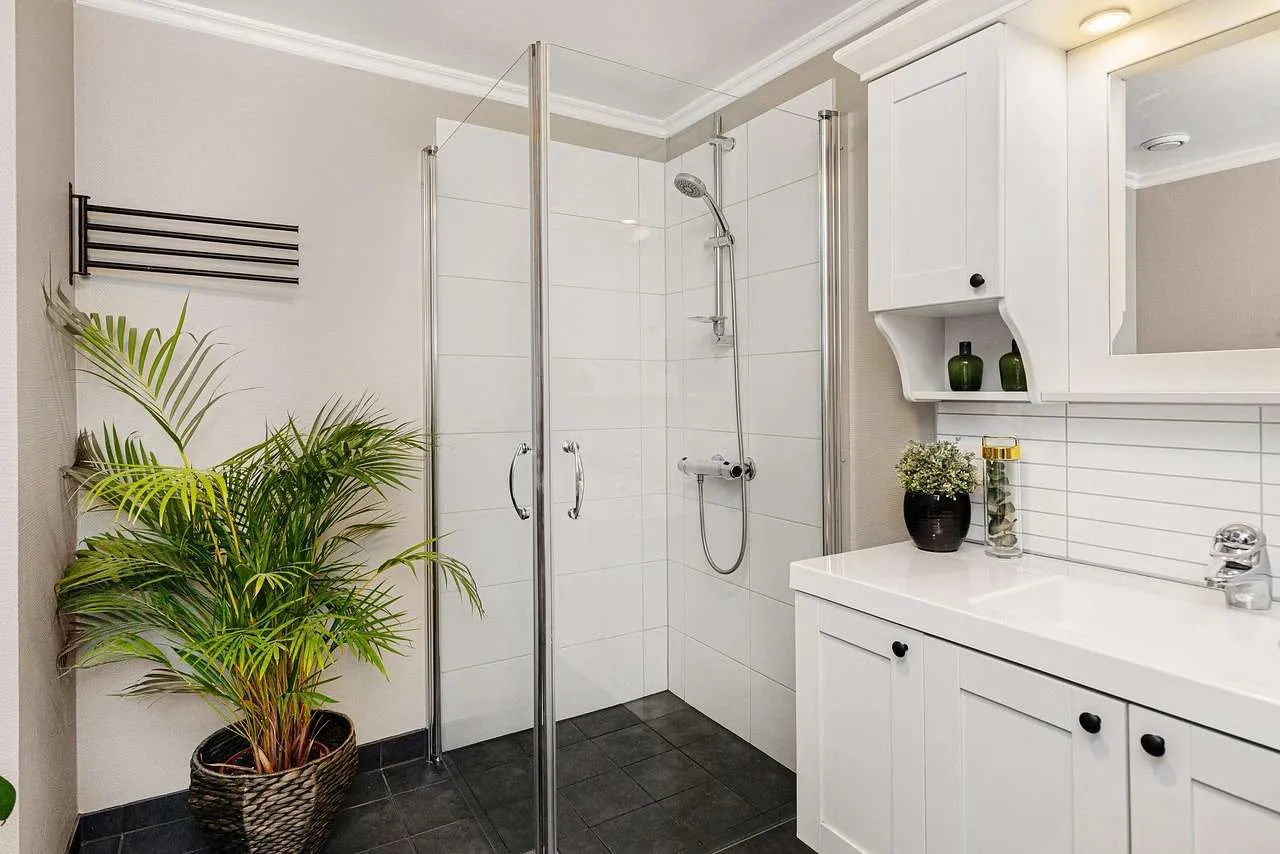
As a design professional with over a decade of experience translating small spaces into functional, beautiful rooms, I share practical small bathroom ideas that balance function with style. This guide emphasizes expertise, proven strategies, and reliable methods you can implement with confidence, ensuring trust and value for readers and homeowners alike.
Smart Layouts for Small Bathrooms
In a compact bathroom, layout is everything. Start by measuring key traffic paths and choosing a focal point—often a walk-in shower or a floating vanity. Aim for a 90-degree traffic flow and avoid bulky, non-essential fixtures that crowd the floor. If possible, place the toilet and vanity on opposite walls to create a sense of separation without adding walls.
Plan Your Zones
Separate wet and dry zones to reduce moisture exposure on non-water surfaces. A glass shower enclosure expands the visual space, while frameless hardware minimizes visual barriers, making the room feel larger.
Storage Solutions That Save Space
Storage is the backbone of small bathroom design. Floating vanities create air beneath them and free floor space for cleaning. Use tall, slim cabinets and recessed niches to store essentials without protruding into the room. Consider a mirrored medicine cabinet to combine storage with reflective brightness.
Smart Cabinets and Niches
Open-shelving on a vanity edge can keep daily items accessible, while closed drawers reduce clutter. Vertical organizers and pull-out baskets maximize every inch of vertical real estate, especially in narrow bathrooms.
Lighting and Color to Visually Expand Space
Bright, layered lighting and light, neutral colors make a small bathroom feel larger. Combine ambient ceiling lighting with task lighting around mirrors. Stainless or chrome fixtures reflect light, while large-format tiles with minimal grout lines reduce visual interruption.
Color Psychology and Texture
Neutral walls with lighter floor tiles create a continuous plane that expands the space. Introduce texture with stone-look porcelain or wood-look porcelain for warmth without heaviness. A single accent color through towels or a vanity can provide personality without crowding the visual field.
Materials and Fixtures for Durable, Affordable Updates
Durability is key in moisture-rich rooms. Choose moisture-resistant materials like porcelain tiles, quartz countertops, and solid-surface shower bases. For a contemporary touch, select matte black or brushed nickel fixtures and hardware that stand up to daily use while offering visual contrast against light surfaces.
Comparison: Tile Patterns, Fixtures, and Budget Impact
Use the table below to weigh common choices for small bathrooms.
| Option | Pros | Cons | Best For |
|---|---|---|---|
| Glazed porcelain wall tiles in light hues | Reflective, durable, easy to clean | Can feel clinical if overused | Bright, clean look |
| Floating vanity with open shelf | Airiness, easier cleaning | Potential clutter if not organized | Open, airy feel in tight spaces |
| Walk-in shower with frameless glass | Expanded visual space, accessible | Higher upfront cost | Contemporary, small bathrooms |
| Tinted or backlit mirror | Increases depth perception, better lighting | May require electrical work | Improved lighting and storage viewing |
Budget guidance is essential for practical planning. Start with essential upgrades that improve daily use—ventilation, waterproofing, and durable finishes—then layer in cosmetic touches as budget allows. Consistency in finishes—metal, grout color, and fixture style—creates a cohesive look that makes a small space feel intentional rather than crowded.
Practical Budgeting and DIY Considerations
Small bathroom ideas can be implemented gradually. Begin with temporary updates such as peel-and-stick backsplash tiles, updated hardware, or a refreshed vanity mirror to refresh the space without a full renovation. If you hire professionals, request detailed estimates and insist on high-quality, humidity-rated materials to ensure longevity and value.
Conclusion approaches are also a part of a well-planned project; however, this section emphasizes practical steps you can take now to start improving a small bathroom while planning for longer-term upgrades.
Summary: By optimizing layout, boosting storage, enhancing lighting, and selecting durable materials, you transform a compact bathroom into a functional, stylish retreat. Plan with a clear budget, maintain consistent finishes, and prioritize essential upgrades for lasting value.